
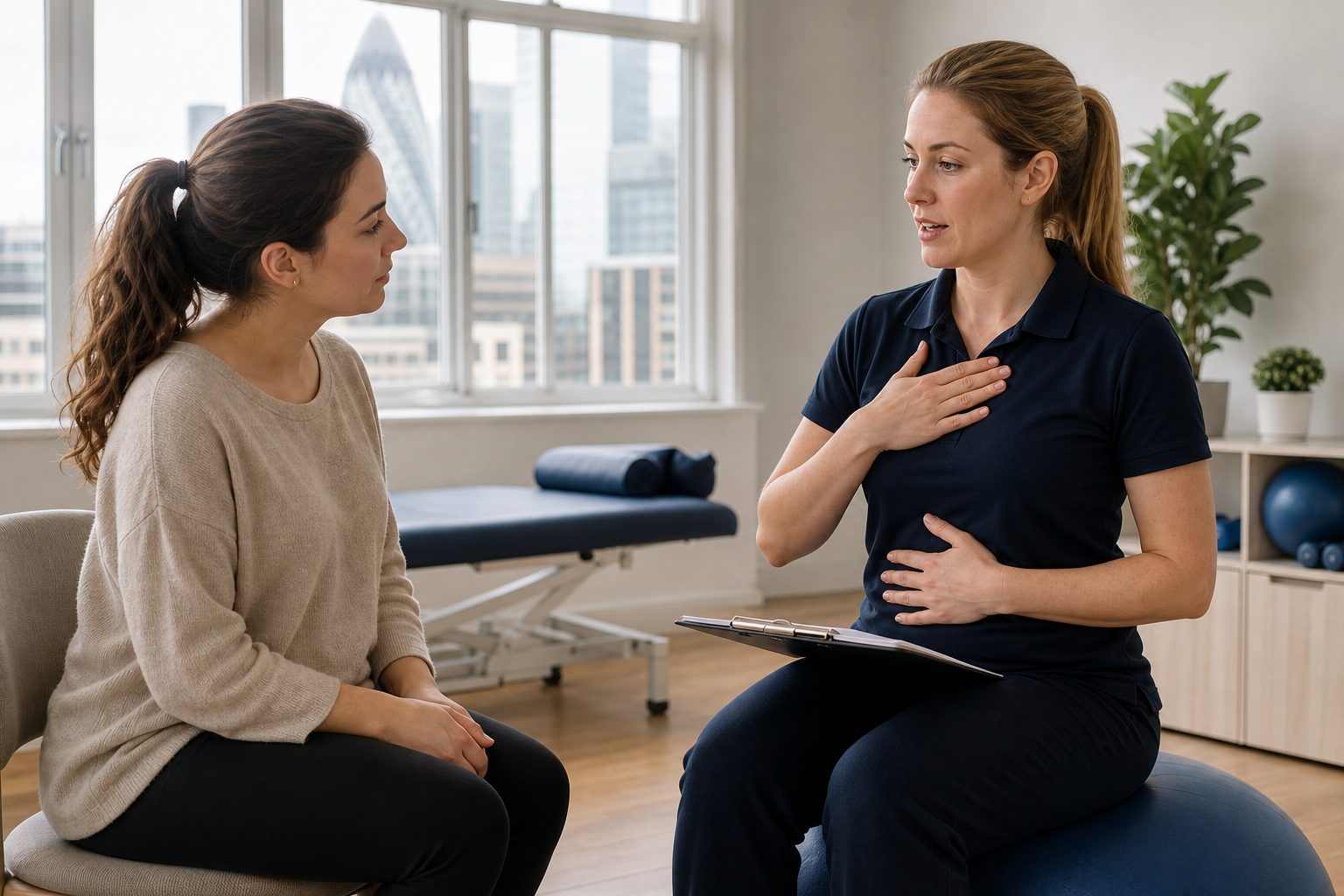
How Can You Start Pelvic Floor Rehab After Birth Injuries Safely?
Pelvic floor rehabilitation after a birth injury should begin gently and be adapted to your delivery, injury, symptoms, and overall recovery. Some people can start gentle pelvic floor activity once bladder function is normal, while others need earlier or more targeted guidance because of significant tearing, forceps delivery, caesarean recovery, or ongoing pain. Pregnancy and delivery can stretch the pelvic floor, and appropriately prescribed exercises may help restore strength, muscle tone, and control. However, more exercise is not always better, and you should not push through worsening symptoms.
Step 1: Confirm What Happened During Birth and Recovery
Before starting a routine, gather the information that will shape your rehabilitation. Consider whether you had a vaginal or caesarean birth, perineal tearing, stitches, substantial bruising or swelling, an assisted delivery with forceps, or a known third- or fourth-degree tear. Also note any instructions about wound care, bladder function, bowel function, lifting, or follow-up.
This matters because pelvic floor rehab is not a single exercise programme for every new parent. Postnatal physiotherapy may support recovery after caesarean section or perineal trauma, pelvic floor symptoms involving the bladder, bowel, or vagina, diastasis recti, and a gradual return to activity. People who had third- or fourth-degree tears, obstetric anal sphincter injury, or forceps-assisted delivery may need early postnatal assessment and more targeted treatment. Postnatal guidance from Leeds Teaching Hospitals describes these situations as requiring specific follow-up rather than a generic approach.
Use your discharge information and advice from your doctor, midwife, or other healthcare professional as the starting point. Do not try to identify the exact injury from symptoms alone.
Step 2: Start Gentle Pelvic Floor Activity When It Is Safe

General postnatal guidance indicates that gentle pelvic floor exercises may begin after your first urination when your bladder is working normally. If you have a catheter, wait until it has been removed and you have been able to urinate normally before beginning. “Start early” does not mean that every person should exercise immediately or ignore urinary problems.
Begin only if the activity feels appropriate for your current recovery and does not conflict with your instructions. After vaginal birth, the perineum may be painful or uncomfortable and may have bruising, swelling, or stitches. Gentle pelvic floor activity can still be part of recovery for some people, but the level and timing should reflect those symptoms. Cambridge University Hospitals’ perineum-care guidance explains the role of the pelvic floor in bladder and bowel control and pelvic-organ support while recognizing common post-birth perineal symptoms.
If normal urination has not resumed, you have concerns about a wound, or you are unsure whether activity is appropriate, pause and ask a healthcare professional for individualized instructions.
Step 3: Find Comfortable Pelvic Floor Control
When gentle activity is suitable, focus first on recognizing a controlled contraction and a full release. A commonly used cue is to imagine stopping the passage of wind while also stopping the flow of urine. The intended sensation is a gentle “squeeze and lift,” not a forceful clench. North Bristol NHS Trust describes this squeeze-and-lift cue and advises keeping the abdomen and buttocks relaxed.
Do not practise by repeatedly stopping your urine stream while urinating. Use the cue only to understand the muscles, then exercise when you are not using the toilet. Pay attention to whether you can relax after the contraction. A pelvic floor problem is not always solved by squeezing harder; pain, guarding, or excessive tension may require a different assessment and treatment approach.
Stop point: If exercise causes pain, increases pelvic pressure, produces new symptoms, or leaves you feeling worse, stop rather than adding repetitions or intensity.
Step 4: Use Symptoms to Decide Whether to Continue
Track your response during and after activity. A short note on what you tried and how you felt later can help identify whether your current level is tolerable and gives a clinician useful information if you seek care.
- Increasing vaginal, perineal, pelvic, or abdominal pain
- Persistent or worsening swelling, bruising, wound discomfort, or concerns about stitches
- Urinary leakage, difficulty emptying your bladder, or other bladder changes
- New bowel-control changes, difficulty passing stool, or other bowel symptoms
- A heavy, dragging, or pressure-like feeling in the vagina or pelvis
- Pain extending into the legs
- Symptoms that worsen when you stand, walk, lift, or exercise
These symptoms do not identify a diagnosis by themselves, but they are important information. Guidance from Pregnancy, Birth and Baby recommends speaking with a doctor or midwife early about vaginal or perineal pain, pain down the legs, bowel or bladder changes, or vaginal heaviness or dragging. The NHS also identifies urinary leakage and a heavy feeling between the vagina and anus as concerns to discuss with a healthcare professional.
Step 5: Progress From Control to Everyday Movement Slowly
Once gentle pelvic floor control is comfortable and symptoms are stable or improving, rehabilitation can gradually connect that control with everyday movement. This may mean paying attention to symptoms while walking, changing positions, caring for your baby, lifting light household items, or returning to activities that matter to you. The next step should be guided by your response, not pressure to reach a particular postpartum milestone.
Returning to exercise after birth depends on factors such as fitness before pregnancy, labour and delivery, complications, and your recovery response. One supplied clinical resource advises avoiding heavy weights, sit-ups, and high-intensity activities such as running and tennis for at least three months. Treat that as general guidance, not a universal prescription: your clinician may recommend a different progression based on your injury and symptoms.
Increase one aspect of activity at a time and reassess how you feel during and afterward. If leakage, pressure, pain, or other symptoms increase, return to the last comfortable level and seek guidance instead of training through it.
Step 6: Arrange Assessment When Self-Management Is Not Enough
An assessment is especially sensible after a third- or fourth-degree tear, obstetric anal sphincter injury, forceps-assisted delivery, caesarean recovery concerns, or substantial perineal trauma. It is also appropriate when symptoms persist, worsen, limit daily activities, or are difficult to interpret.
A pelvic health physiotherapist can review your birth and recovery history, discuss bladder, bowel, pelvic, and perineal symptoms, assess movement and pelvic floor control as appropriate, and help develop a progressive plan. The purpose is not simply to give you more exercises. It is to determine what your body can tolerate, whether strengthening is appropriate, and what support may help you move toward your goals.
Foundation Physiotherapy and Rehab provides one-on-one pelvic health physiotherapy in London, Ontario for pelvic floor dysfunction, incontinence, pelvic pain, and prenatal or postnatal recovery needs.
Self-Management or Assessment: Which Next Step Fits?
| A gentle, symptom-aware approach may be reasonable | Arrange a prompt discussion or assessment |
|---|---|
| Bladder function is normal, activity is consistent with your instructions, and symptoms are mild and improving. | You had a significant tear, forceps-assisted delivery, caesarean recovery concerns, or other perineal trauma requiring clarification. |
| You can try gentle control without increasing pain, pressure, leakage, or other symptoms. | You have persistent or worsening pain, urinary leakage, bowel changes, vaginal heaviness, dragging, or pain extending down the legs. |
| You understand what to do and can adjust activity when symptoms change. | You are unsure whether to strengthen, relax, rest, or progress, or symptoms limit everyday movement. |
This comparison is a decision aid, not a diagnosis. If you are uncertain, ask a doctor, midwife, or pelvic health physiotherapist rather than guessing.
When Should You Stop Exercising and Seek Advice?
These stop points help prevent you from treating a potentially complex recovery as a simple strengthening problem. Contact the healthcare professional involved in your postnatal care or arrange an appropriate local assessment.
Choose a Gradual, Symptom-Guided Recovery Plan
The safest approach to pelvic floor rehab after birth injuries is staged: confirm the details of your delivery and recovery, begin gentle activity only when safe, focus on comfortable control and release, monitor symptoms, and progress toward daily movement gradually. Significant tears, forceps delivery, caesarean recovery concerns, perineal trauma, persistent pain, bowel or bladder changes, heaviness, or unclear progress are good reasons to obtain individualized advice.
Foundation Physiotherapy and Rehab offers one-on-one pelvic health physiotherapy in London, Ontario, along with a complimentary 10–15 minute consultation for clear, honest next-step guidance. Contact the clinic through its official website or book the consultation online.