
What Should You Check Before Starting Pelvic Floor Stimulation?
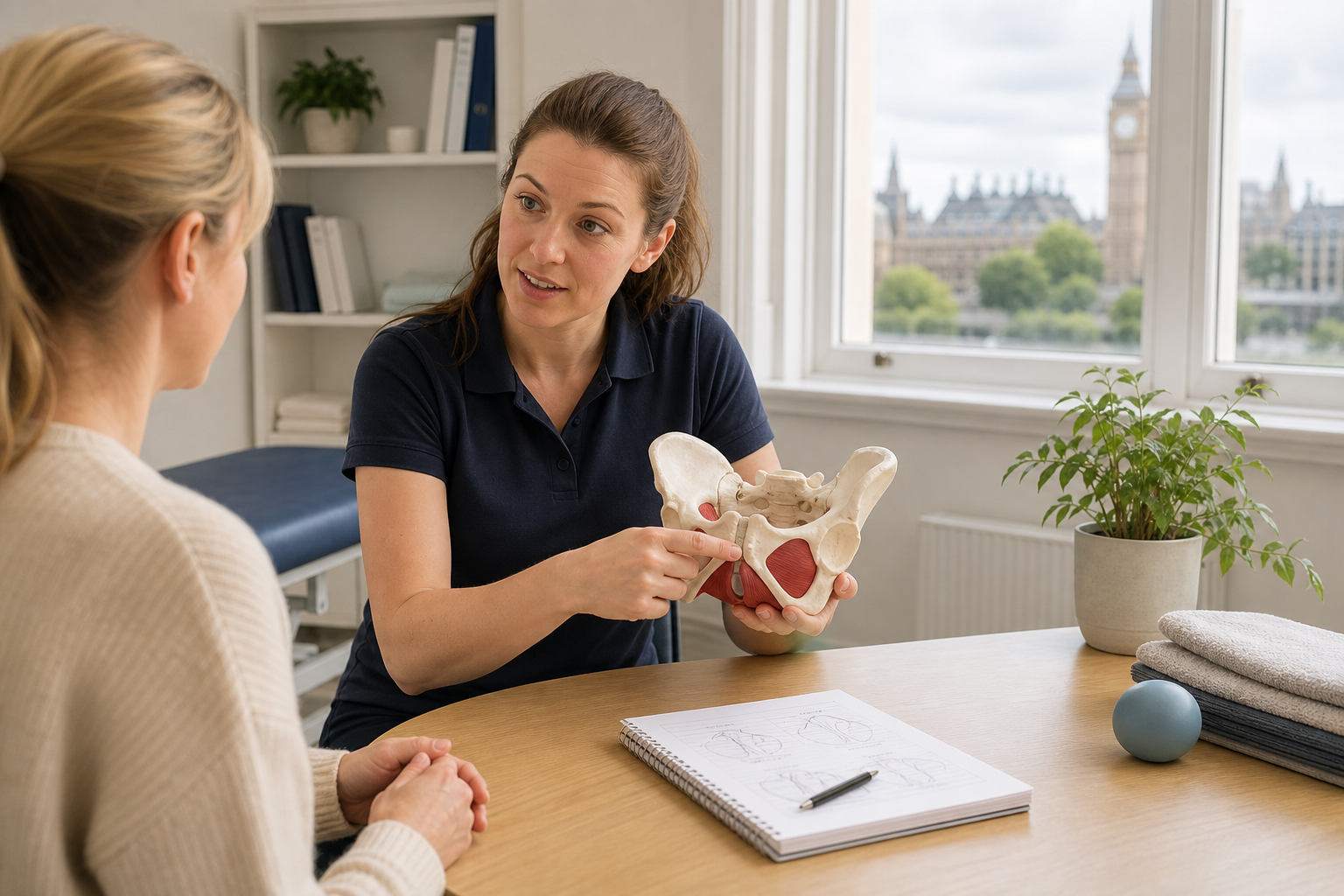
Pelvic floor stimulation should follow an individualized assessment and a clearly defined goal, not a generic protocol copied from the internet. The right approach depends on what is contributing to your symptoms, how stimulation fits with pelvic floor muscle training, and how your response will be monitored. Guidance from NICE on pelvic floor muscle training and its information on electrical neuromuscular stimulation for urinary incontinence supports discussing treatment choices in a clinical context rather than treating stimulation as a universal solution.
What Do Pelvic Floor Stimulation Protocols Actually Refer To?
The phrase pelvic floor stimulation protocols can refer to a structured approach using electrical or neuromuscular stimulation to support pelvic floor rehabilitation. It may involve a device or clinic-based treatment, but a protocol is more than a collection of settings. It should connect an assessment with a treatment objective, professional instruction, and a way to determine whether the plan remains appropriate.
Stimulation is different from pelvic floor muscle training. Muscle training involves learning to contract and relax the pelvic floor appropriately and building control through purposeful practice. Guidance from the National Institute of Diabetes and Digestive and Kidney Diseases and the NCBI Bookshelf describes pelvic floor muscle training as a distinct part of symptom management. Stimulation should not automatically replace that training or a broader rehabilitation plan.
Foundation Physiotherapy and Rehab describes its B-Pulse Chair Therapy as non-invasive pelvic floor and neuromuscular stimulation support. Whether this treatment belongs in an individual plan still requires discussion of the person’s goals, assessment findings, and response to care.
Six Decisions to Check Before Starting

1. Skipping an assessment
Leakage, difficulty controlling the pelvic floor, or pelvic discomfort does not by itself explain what is happening. Starting stimulation without an assessment can leave the treatment goal undefined and may overlook other approaches worth considering. Ask what the assessment will clarify and how its findings will influence the plan.
2. Treating a symptom without defining the goal
“Improve my pelvic floor” is understandable, but too broad to guide a useful review. A clearer goal might relate to bladder control, confidence during activity, pelvic floor coordination, or returning to a daily task. Ask how the proposed treatment relates to the goal and how progress will be recognized.
3. Assuming more stimulation is better
Increasing intensity, frequency, or duration without professional direction is not a reliable way to improve results. Do not copy settings or schedules from an online discussion and assume they apply to you. Treatment parameters should be discussed with the qualified professional providing or recommending care.
4. Ignoring pain or unusual symptoms
If stimulation causes pain, symptoms worsen, or the response is unexpected, continuing without checking in can make the situation harder to understand. Pause self-directed device use and seek individual guidance when the treatment response is concerning or unclear.
5. Using a device without professional instruction
A device may appear straightforward, but useful use depends on understanding its purpose, operation, and role in your rehabilitation plan. Before using one, ask who will explain it, what you should monitor, and whom to contact if questions arise.
6. Failing to monitor and reassess progress
A treatment plan should be reviewed against the goal that led you to seek care. Ask when the plan will be reviewed and what would lead the clinician to continue, change, or stop the approach. Pelvic floor muscle training and other strategies may remain important even when stimulation is included.
Why the Same Symptom May Need a Different Plan
Incontinence, pelvic discomfort, postpartum concerns, and other pelvic floor symptoms may involve different patterns of muscle control, coordination, activity, or contributing factors. A familiar symptom does not automatically point to the same treatment for everyone.
An assessment can connect treatment choices to your needs and clarify whether stimulation should be considered alongside pelvic floor muscle training, education, movement strategies, or another form of care. Foundation’s pelvic health physiotherapy service includes care for pelvic floor dysfunction, incontinence, pelvic pain, and prenatal or postnatal needs.
Supervised Care Versus Unsupervised Device Use
| Supervised care | Unsupervised device use |
|---|---|
| Goals and assessment findings inform treatment. | A protocol may be chosen without confirming its relevance. |
| A clinician explains the intervention’s role in rehabilitation. | The device may be treated as a stand-alone solution. |
| Comfort, symptoms, and progress can be reviewed. | The user may not know when to pause or seek help. |
| The plan can be reassessed against functional goals. | Sessions may continue without meaningful review. |
This comparison does not mean every clinic-based treatment is appropriate or every home device is unsuitable. It highlights why instruction and follow-up matter. Foundation’s B-Pulse Chair Therapy and pelvic health physiotherapy can be discussed as parts of care, but personal suitability cannot be determined from a web page alone.
Questions to Ask a Pelvic Health Physiotherapist
- What is the specific goal of considering stimulation?
- What did my assessment identify?
- How would stimulation fit with pelvic floor muscle training?
- What sensations or symptom changes should I report?
- How will progress be measured?
- When will the plan be reviewed?
- What alternatives may be relevant?
- Who should I contact if my symptoms change?
When Should You Pause and Seek Individual Guidance?
Seek individual guidance before continuing when your treatment goal is unclear, you are unsure how to use a device, stimulation causes pain, or symptoms worsen or change unexpectedly. Ask for clarification if the plan does not explain how stimulation relates to pelvic floor muscle training or how progress will be reviewed. Do not use this article to self-prescribe settings, schedules, or treatment duration.
Frequently Asked Questions
Is pelvic floor stimulation the same as pelvic floor muscle training?
No. Muscle training involves purposeful practice to develop control and function. Stimulation is a separate intervention that may be considered in some rehabilitation plans and should not automatically replace assessment, exercise, education, or other clinically indicated care.
Can I choose a pelvic floor stimulation protocol from an online source?
Do not assume an online protocol is suitable for you. Online information cannot assess your symptoms, identify your treatment goal, or monitor your response. Discuss options with a qualified pelvic health physiotherapist before using a device or following a stimulation plan.
What should I ask before trying B-Pulse Chair Therapy?
Ask what goal the treatment supports, how it relates to your assessment, what you should monitor, and when progress will be reviewed. Foundation describes B-Pulse Chair Therapy as non-invasive pelvic floor and neuromuscular stimulation support, but a consultation is still needed to discuss whether it fits your plan.
Make the Protocol Fit the Person, Not the Other Way Around
Pelvic floor stimulation is one possible component of an assessed, goal-based rehabilitation plan. Check that it has a clear purpose, is professionally explained, fits with pelvic floor muscle training and other care, and includes monitoring and reassessment. A generic protocol cannot answer those questions for you.
Foundation Physiotherapy and Rehab in London, Ontario provides one-on-one pelvic health physiotherapy and offers B-Pulse Chair Therapy. Prospective patients can request a complimentary 10–15 minute consultation through the Foundation Physiotherapy and Rehab website.