
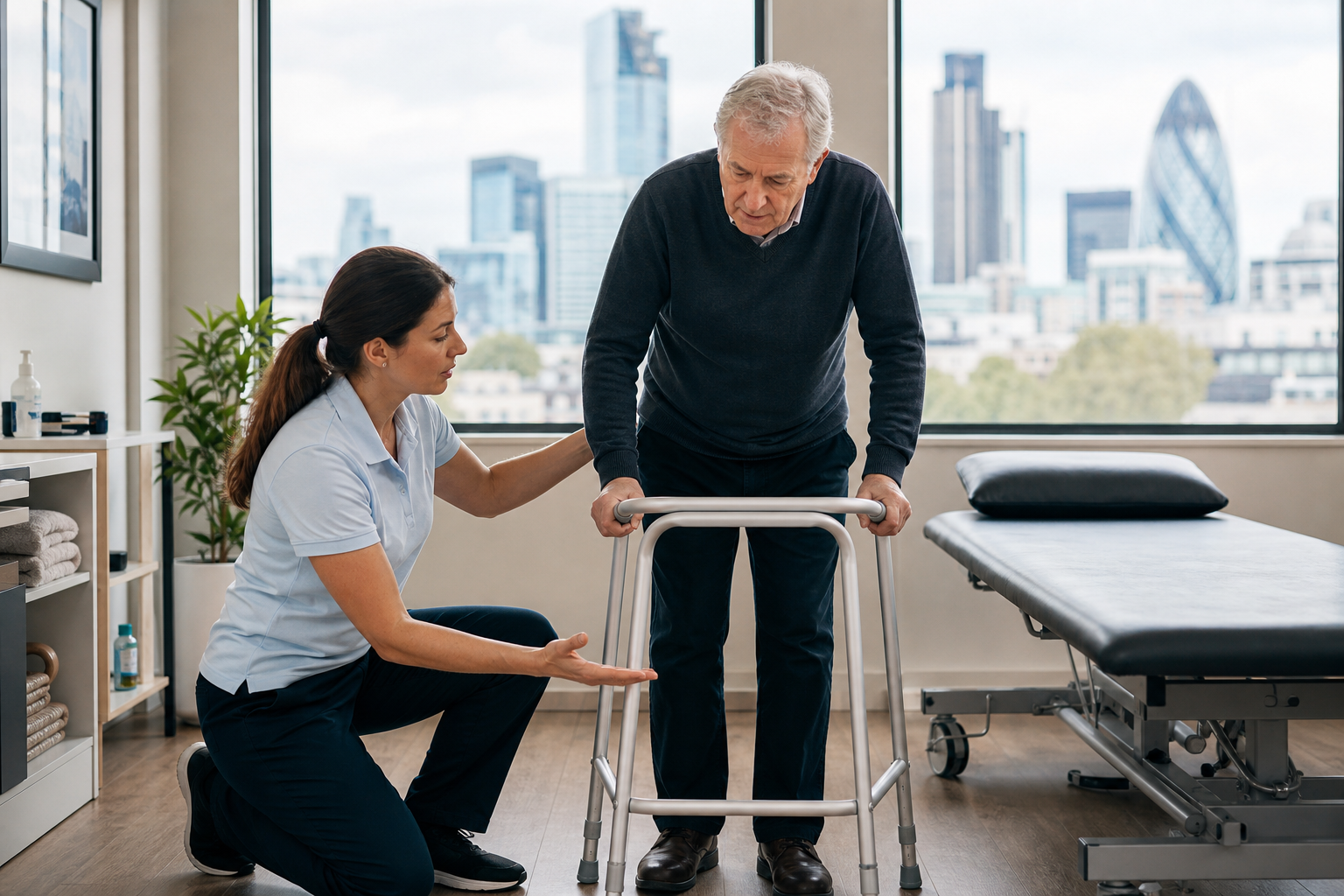
Assistive Devices in London Explained: Choosing Mobility Support for Daily Life
When people search for assistive devices in London, they are often trying to solve a practical mobility problem: walking feels unsafe, transfers are difficult, a current walker no longer fits, or a wheelchair does not work well at home. In this context, assistive devices generally means mobility equipment such as canes, walkers, wheelchairs, seating systems, scooters, and powered mobility devices.
The right choice is not determined by the product name alone. It depends on your physical abilities, daily tasks, home and community environments, safety, comfort, and longer-term goals. A mobility assessment can help organize those factors before you purchase equipment or begin an Assistive Devices Program application.
What counts as an assistive device?
An assistive device is equipment that helps a person move, maintain balance, complete transfers, manage positioning, or participate in everyday activities. Mobility examples include canes, walkers, manual wheelchairs, power wheelchairs, scooters, cushions, and seating components.
The broader term can also include equipment for hearing, vision, communication, or daily living. This article focuses on mobility aids and related assessments because that is usually what people mean when searching for mobility support in London, Ontario.
It is useful to think of equipment as part of a mobility solution rather than as an isolated product. A walker that works in a wide hallway may be difficult to turn in a small bathroom. A wheelchair that is comfortable indoors may not meet someone’s needs outdoors. A powered device may require adequate control access, turning space, transportation planning, and safe operation.
Which type of mobility support may fit?

| Mobility support | May be considered when | Assessment questions |
|---|---|---|
| Cane | Some balance support or limited walking assistance is needed. | Is the height correct? Can it be used safely on stairs, uneven ground, and during turns? |
| Walker | More stability or support is needed than a cane provides. | Can the person lift, push, turn, and brake it? Will it fit through doorways? |
| Manual wheelchair | Walking is limited by endurance, strength, balance, pain, or safety concerns. | Who will propel it? Are seating, transfers, and home access appropriate? |
| Seating system | Posture, pressure management, comfort, or positioning needs require closer attention. | Are the cushion, foot support, and seating components suitable? |
| Powered mobility | Motorized support is needed for indoor or community mobility. | Can the person operate the controls? How will the device be charged, stored, transported, and used safely? |
Canes and walkers
Canes and walkers may help with balance, stability, endurance, or reduced weight-bearing. The device must match the person’s strength, coordination, gait, hand function, and usual environments. An aid that is too high, too low, too heavy, or used with the wrong technique may be difficult to control.
An assessment can consider more than straight-line walking. Turning, rising from a chair, managing thresholds, using stairs, carrying items, and moving through a bathroom may all affect whether a device is practical. If falls or near-falls are occurring, describe when and where they happen.
Manual wheelchairs and seating systems
A wheelchair assessment involves more than selecting a chair from a catalogue. It may consider posture, comfort, transfers, propulsion, foot support, pressure concerns, home access, transportation, work or school routines, and the places where the chair will be used.
For example, someone may propel a chair for short distances but need another arrangement for longer community trips. Another person may need assistance with propulsion but independently complete some transfers. These differences can change equipment and seating requirements.
Readers considering a wheelchair can review the wheelchair assessment process to understand assessment, documentation, vendor coordination, and post-delivery fitting.
Power wheelchairs and scooters
Powered mobility can involve power wheelchairs or scooters, depending on functional needs and intended use. The decision should account for control access, vision and attention, turning space, indoor surfaces, outdoor routes, transportation, charging, storage, and safe operation.
A powered mobility assessment does not mean a particular device will be recommended or funded. It connects the equipment decision to actual routines and environments. A person using mobility support in a compact home may have different requirements from someone travelling across large indoor spaces or uneven outdoor areas.
When should you arrange a mobility assessment?
Independent research may be enough when the need is simple, temporary, and well understood. Professional input becomes more valuable when equipment will be used regularly or when a poor fit could affect safety, comfort, transfers, or participation.
- Your walking ability, balance, endurance, or strength has changed.
- You have repeated falls or near-falls, or feel unsafe during routine activities.
- You have difficulty getting in and out of a chair, bed, vehicle, or bathroom.
- Your current device feels unstable, uncomfortable, or difficult to use.
- You are unsure whether your home, workplace, school, or community can accommodate a device.
- You are considering powered mobility and need help with operation, access, storage, or transportation.
- You need clinical documentation for an equipment or funding application.
What does a mobility assessment examine?
A mobility assessment connects the person, task, and environment. A clinician may consider physical abilities, balance, transfers, current equipment, daily routines, lifestyle, safety, comfort, home access, community mobility, and long-term goals.
The assessment should explore what the person needs to do, not only how far they can walk in a clinic. Useful examples include preparing a meal, entering the home, using the bathroom, attending appointments, navigating a workplace, shopping, visiting family, or managing transportation.
When appropriate, a structured trial can reveal problems with fit, transfers, turning, propulsion, reach, control access, or comfort before equipment is ordered.
How to prepare for an assessment in London
Bring practical information about the situations in which mobility is difficult. Consider preparing:
- Mobility limits: walking distance, standing tolerance, fatigue, pain, weakness, balance concerns, and tasks requiring assistance.
- Falls and near-falls: where they occur, what you were doing, and whether a device was being used.
- Current equipment: what you own, what works, what does not, and how often you use it.
- Environments: doorways, stairs, bathrooms, flooring, entrances, sidewalks, work or school areas, vehicles, and public transportation.
- Functional goals: safer transfers, household mobility, community access, improved comfort, reduced assistance, or participation in a specific activity.
- Medical information: relevant diagnoses, surgeries, injuries, treatment notes, and information from other healthcare providers.
- Cost questions: fitting, delivery, repairs, maintenance, replacement, consumer contributions, and costs outside an approved amount.
If a caregiver or family member helps with mobility, consider having that person participate. They may notice transfer needs, equipment barriers, or routines that are easy to overlook.
Where does Ontario ADP funding fit?
Ontario’s Assistive Devices Program, or ADP, helps eligible Ontario residents with long-term physical disabilities pay for certain mobility equipment. The provincial mobility-aid information identifies general requirements such as Ontario residency, a valid Ontario health card, and a disability requiring a mobility aid for six months or longer. Device-specific rules and current details should be confirmed directly.
ADP does not replace the clinical decision about what equipment fits your needs, and an assessment does not guarantee government funding. ADP makes the funding decision, while an authorized assessor helps evaluate functional needs and complete documentation for the relevant device category.
Before applying, review ADP funding for mobility aids to understand product codes, documentation, prescriber requirements, consumer contributions, custom modifications, and possible delays. Do not assume every component, customization, service charge, or amount above an approved price will be covered.
Finding mobility assessment support in London
Foundation Physiotherapy and Rehab provides assistive-device and mobility assessments in London, Ontario. Its verified service information includes consideration of physical abilities, living environment, lifestyle, safety, and long-term goals, along with walker and wheelchair prescriptions, powered mobility assessment, and ADP-authorized assessment and documentation support.
The clinic is located at Unit 100, 540 Wharncliffe Road South, in the Larlyn Building between London Honda and Sun Life. A complimentary 10–15 minute consultation is available for prospective patients who want to discuss their situation and possible next steps. Ask about the appropriate appointment and any applicable fee when booking.
Frequently asked questions
Do I need a referral for an assistive device or mobility assessment in London?
Requirements can depend on the service, device category, funding application, and clinician involved. Contact the clinic before booking to ask what information is needed and whether another healthcare provider must contribute documentation.
Can a mobility assessment help if I already own a walker or wheelchair?
Yes. An assessment can review whether the device fits your abilities, tasks, environment, comfort needs, and safety requirements. It may identify adjustment, seating, technique, or equipment issues.
Does ADP guarantee funding for a mobility device?
No. Eligibility and funding depend on current provincial rules, the device category, clinical documentation, and the application. ADP makes the final decision, and approval is not guaranteed.
What should I bring to a wheelchair or powered mobility assessment?
Bring information about daily routines, current equipment, falls or near-falls, transfers, home and community environments, transportation, functional goals, and relevant medical history. Photos or measurements of difficult spaces may also help.
Choose support around your real routines
Assistive devices are most useful when matched to actual activities, environments, physical abilities, safety needs, comfort, and long-term goals. A cane, walker, wheelchair, seating system, or powered device may each be appropriate in different circumstances, but the product label alone cannot determine the right choice.
If fit, transfers, home access, powered operation, or ADP documentation is uncertain, a mobility assessment can provide a structured starting point. For local guidance, Foundation Physiotherapy and Rehab offers mobility assessments and related ADP-authorized support in London, Ontario.