
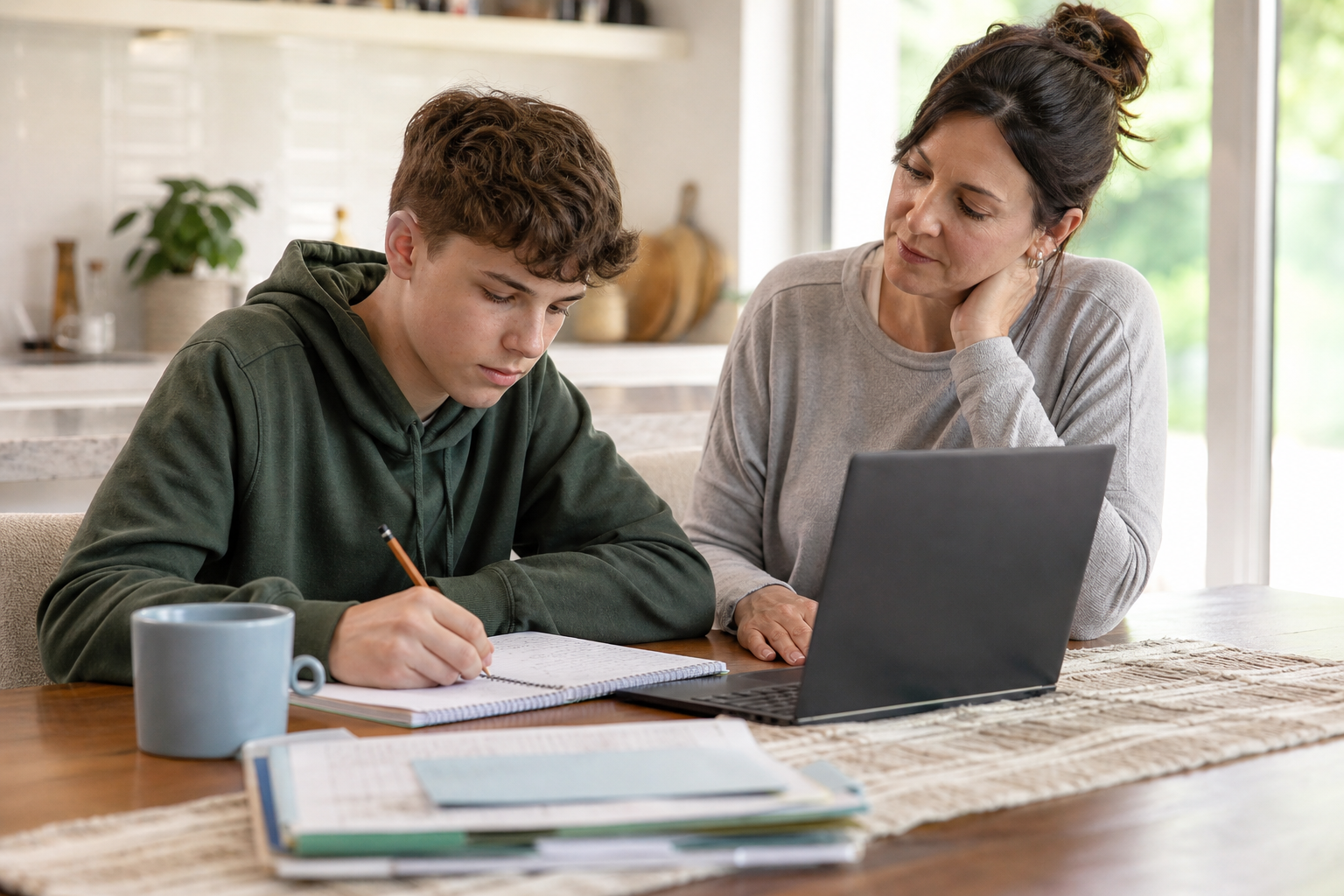
Concussion Return-to-Learn: How to Plan a Gradual Return to School
Return-to-learn is the learning-focused part of recovering from a concussion. It involves gradually resuming school demands such as attendance, reading, screens, concentration, and communication after appropriate medical assessment. It is not a universal timetable, a substitute for diagnosis, or a process every student experiences in the same way.
In Ontario, return-to-learn is generally addressed within a broader Return to School Plan. That plan supports both learning and physical activity, with decisions coordinated among the student, family, school, healthcare professionals, and, where appropriate, a rehabilitation provider.
What Does Return-to-Learn Mean After a Concussion?
Return-to-learn, also called return to learning, describes the process of resuming educational activities after a concussion. The question is not simply whether a student can sit in a classroom. It is whether they can gradually tolerate the cognitive, visual, physical, and social demands of school without ignoring changing symptoms.
Ontario commonly uses the term Return to School Plan for the wider framework. For a student diagnosed with a concussion, the school board’s plan supports both a return to learning and a return to physical activity. Ontario’s Return to School guidance explains this broader responsibility.
Learning and sport place different demands on the body and brain. A student may tolerate a short walk but struggle with sustained reading, or manage a brief class period but not a full day of screens and concentration. The plan should reflect actual tolerance rather than an assumed schedule.
Medical Assessment Comes Before Rehabilitation

If a concussion is suspected, appropriate medical assessment comes first. Ontario’s concussion framework includes removing a student with a suspected concussion from physical activity and following the relevant process after diagnosis. A physician or nurse practitioner can assess the injury and guide next steps.
Rehabilitation has a different role. It may help address ongoing symptoms or difficulty returning to school and daily activities, but it does not independently diagnose a concussion or provide medical clearance. Seek urgent medical help for a life-threatening emergency, such as unconsciousness or a seizure, rather than relying on a rehabilitation appointment.
Once urgent concerns have been addressed, rehabilitation may become part of a broader recovery plan. The appropriate approach depends on symptoms, medical guidance, school responsibilities, activity tolerance, and functional goals.
Who Helps Build and Monitor the Plan?
A successful return-to-learn process depends on communication. No single person determines every school decision in isolation, and a physiotherapy clinic does not set school-board policy or replace the student’s healthcare team.
| Person or group | Role to discuss |
|---|---|
| Student | Report symptoms, identify difficult tasks, and communicate changes in tolerance. |
| Parent or caregiver | Track patterns at home, share relevant information, and support communication. |
| School or school board | Apply the relevant Return to School Plan and coordinate practical participation. |
| Healthcare professional | Assess the concussion, provide medical guidance, and identify needed follow-up. |
| Rehabilitation provider | Assess functional limitations, monitor tolerance, and support learning-related goals when appropriate. |
Ontario’s public guidance describes return planning as an individualized process involving the student, healthcare professionals, school, and relevant sport organization. Ontario’s concussion awareness resource provides further context.
Match School Demands to Current Tolerance
Instead of asking only whether a student can return to school, ask which parts of school are manageable and which create problems. This gives the care team and school useful information without assuming every student needs the same adjustments.
| School demand | What to notice | Question to discuss |
|---|---|---|
| Attendance and a full day | Does fatigue build as the day progresses? | How will participation and tolerance be monitored? |
| Reading and written work | Do headaches, visual symptoms, or cognitive fatigue appear? | Which learning tasks should be reviewed first? |
| Screens and online learning | Does screen use increase headache, dizziness, visual discomfort, or fatigue? | Which screen demands should be reported? |
| Concentration and memory | Is it difficult to follow instructions, switch tasks, or retain information? | How can these difficulties be documented and communicated? |
| Noise and movement | Do hallways, noise, or classroom movement trigger symptoms? | Which environmental demands belong in the plan? |
| Physical education and sport | Does activity produce symptoms or conflict with medical guidance? | How should learning and physical activity be coordinated? |
Headaches, dizziness, visual disturbances, fatigue, neck-related concerns, and cognitive difficulty can all affect school participation. A change in symptoms or tolerance should be communicated rather than managed through a self-directed progression.
Return-to-Learn Is Not the Same as Return-to-Sport
Returning to school and returning to sport are related but distinct goals. Classroom learning may involve reading, memory, screens, sustained attention, and social interaction. Sport may add running, balance, reaction time, exertion, contact risk, and sport-specific decisions.
A student may need a plan addressing learning and physical activity together without treating them as identical. Ontario’s Rowan’s Law framework includes a Return to School Plan covering both return to learning and return to physical activity after a diagnosed concussion.
Do not use a return-to-sport milestone as proof that a student is ready for a full academic day, or assume that attending class means the student is ready for unrestricted sport. Each demand should be considered in relation to symptoms, tolerance, and medical guidance.
Why Symptom Monitoring Matters
Symptom monitoring makes the plan responsive to the student’s experience. Symptoms may appear after prolonged concentration or become worse in a busy school environment than in a quiet room.
Useful observations include when symptoms begin, which activity preceded them, how long they last, and whether they affect attendance, schoolwork, communication, or daily routines. The goal is not to repeatedly test limits, but to give relevant professionals clearer information when reviewing the plan.
How Concussion Rehabilitation May Support a Student
Concussion rehabilitation may be appropriate when symptoms continue to limit school, work, sport, or daily activities after medical assessment. Care can focus on goals such as tolerating reading, screens, classroom concentration, movement, or cognitive fatigue, depending on the student’s presentation and medical guidance.
A clinician may consider headaches, dizziness, visual symptoms, neck-related concerns, fatigue, and cognitive difficulty during an individualized assessment. A clinician can use concussion rehabilitation to address symptoms and build a gradual return-to-learn plan around classroom demands, reading, screens, and cognitive fatigue.
Rehabilitation should fit within the broader Return to School Plan and should not replace medical follow-up or school-board processes. Ask how the provider will communicate with the student’s healthcare team and school-support professionals when appropriate.
Questions to Ask Before Starting Rehabilitation
- What information do you need about the medical assessment and diagnosis?
- Which symptoms or functional problems will you assess?
- How will reading, screens, concentration, attendance, and fatigue be discussed?
- How will the student and family monitor symptoms without pushing through worsening concerns?
- How will you communicate with the healthcare professional and school when appropriate?
- How will goals be reviewed if tolerance changes?
- How do you distinguish return-to-learn support from return-to-sport planning?
- What should the family do if symptoms change or worsen?
Concussion Rehabilitation in London, Ontario
Foundation Physiotherapy and Rehab provides one-on-one concussion rehabilitation for adults, teens, and children in London, Ontario. Led by physiotherapist and clinic director Nirali Mehta, the clinic’s concussion care considers concerns such as headaches, dizziness, visual disturbances, cervical involvement, fatigue, and cognitive difficulty after appropriate medical assessment.
Prospective patients can use the clinic’s complimentary 10 to 15 minute consultation to discuss their situation and possible next steps before beginning care. This consultation does not replace medical assessment or provide clearance.
Frequently Asked Questions
What is the difference between return-to-learn and a Return to School Plan?
Return-to-learn focuses on school learning and cognitive demands. A Return to School Plan is the broader Ontario framework supporting both learning and physical activity after a diagnosed concussion.
Can a student return to learning before returning fully to sports?
Yes. These goals are considered separately, although they should be coordinated. Classroom tolerance does not automatically establish readiness for unrestricted sport.
What if reading or screen use increases symptoms?
Record what happened and communicate with the family, school, and appropriate healthcare professional so the current plan can be reviewed.
When might concussion rehabilitation help?
It may help when symptoms or functional limitations continue to interfere with school after appropriate medical assessment. A provider can determine whether rehabilitation fits the recovery plan.
Can a physiotherapy clinic provide medical clearance?
Concussion rehabilitation does not independently diagnose a concussion or provide medical clearance. Medical guidance should come from the appropriate healthcare professional.
Conclusion
Return-to-learn is an individualized return to school learning within Ontario’s broader Return to School Plan. The practical decision is how symptoms and school demands can be discussed, monitored, and coordinated with the student’s family, school, healthcare professional, and rehabilitation provider.
Medical assessment comes first when a concussion is suspected. If symptoms continue to limit school participation, ask whether rehabilitation could support the student’s functional goals. For a complimentary 10 to 15 minute consultation about individualized care in London, Ontario, visit Foundation Physiotherapy and Rehab.